A manual lesson can look cheaper on a price list, so it is reasonable to ask: why are automatic driving lessons more expensive? The short answer is that an automatic tuition car often costs more to buy, insure, maintain and replace. But the hourly difference is only part of the decision. For many learners, particularly those who feel anxious about stalling or have limited time to learn, automatic lessons can make progress feel more straightforward.
The right choice is not simply the lowest hourly rate. It is the route that gives you safe, consistent practice and the confidence to reach test standard without rushing.
Why are automatic driving lessons more expensive?
Automatic driving lessons are usually priced slightly higher because the vehicle itself is more expensive for an instructor to run. Tuition cars cover far more miles than most private vehicles, often in stop-start traffic, on busy roundabouts and around test routes every day. They also need to be kept in excellent condition, fitted with dual controls and available reliably for booked lessons.
An automatic car normally has a higher purchase price than its manual equivalent. The gearbox and associated systems can also be more costly to repair if something goes wrong. Insurance for a driving instructor is a specialist expense too, and the value of the vehicle affects that cost.
These are business costs rather than an extra charge for an easier lesson. A DVSA-approved instructor still plans each session, manages risk from the passenger seat, gives one-to-one feedback and helps you build the judgement needed to drive independently. Whether the car is manual or automatic, professional tuition requires the same focus on safety and test-ready driving.
Instructor availability can affect local prices
There is also a practical issue: demand for automatic lessons is high, while there are fewer automatic instructors than manual instructors in some areas. When availability is limited, prices may reflect the need to cover a dedicated automatic vehicle and maintain a workable lesson diary.
In Oxford and across Oxfordshire, travel distance can matter as well. An instructor may need to travel between pickup locations, home addresses, workplaces and test-practice areas. Reputable schools should explain any postcode-based surcharge clearly, rather than adding unexpected costs later.
What you are paying for beyond the car
A useful driving lesson is not just time behind the wheel. It is structured coaching that turns separate skills into safe decisions. You should expect a lesson to include a clear goal, suitable routes for your current ability, calm correction when things go wrong and a plan for what to practise next.
For a beginner in an automatic, early lessons can focus sooner on observation, steering, positioning, junctions and speed control. You do not have to coordinate a clutch pedal and gear changes at the same time. That can be a real advantage on Oxford’s busier roads, at multi-lane roundabouts or when dealing with hill starts.
However, automatic does not mean effortless. You still need to learn when to move off safely, how to judge gaps, read road signs, plan lanes, use mirrors properly and respond to other road users. The driving test assesses safe driving, not just whether you can operate the controls.
The quality of the car and instructor also matters. A well-maintained dual-control vehicle gives both learner and instructor an extra safety margin. Patient, clear teaching can prevent small errors becoming habits, which is often better value than repeating lessons without understanding why something went wrong.
A higher hourly price may not mean a higher total cost
This is where the comparison becomes more personal. Some learners need fewer hours in an automatic because they can concentrate on road awareness earlier. Someone who repeatedly struggles with clutch control, stalls under pressure or finds gear changes distracting may progress more confidently in an automatic.
That does not guarantee that every learner will pass quicker. Your total lesson time will still depend on previous experience, practice between lessons, confidence, consistency and how regularly you drive. Test availability can also affect the timeline.
A manual course may cost less per hour, but it can require more time for some people to become comfortable with moving off, changing gears and managing the clutch in traffic. For others, those skills come naturally and a manual licence offers more flexibility. It is worth looking at likely overall progress, not only the figure beside one lesson.
If you are booking an intensive course, be especially honest about your starting point. A faster course works best when it is tailored to your experience and includes realistic mock tests, rather than simply packing many hours into a short period. Passing quickly is valuable only if you are ready to drive safely after the test.
Automatic versus manual: choose for your real needs
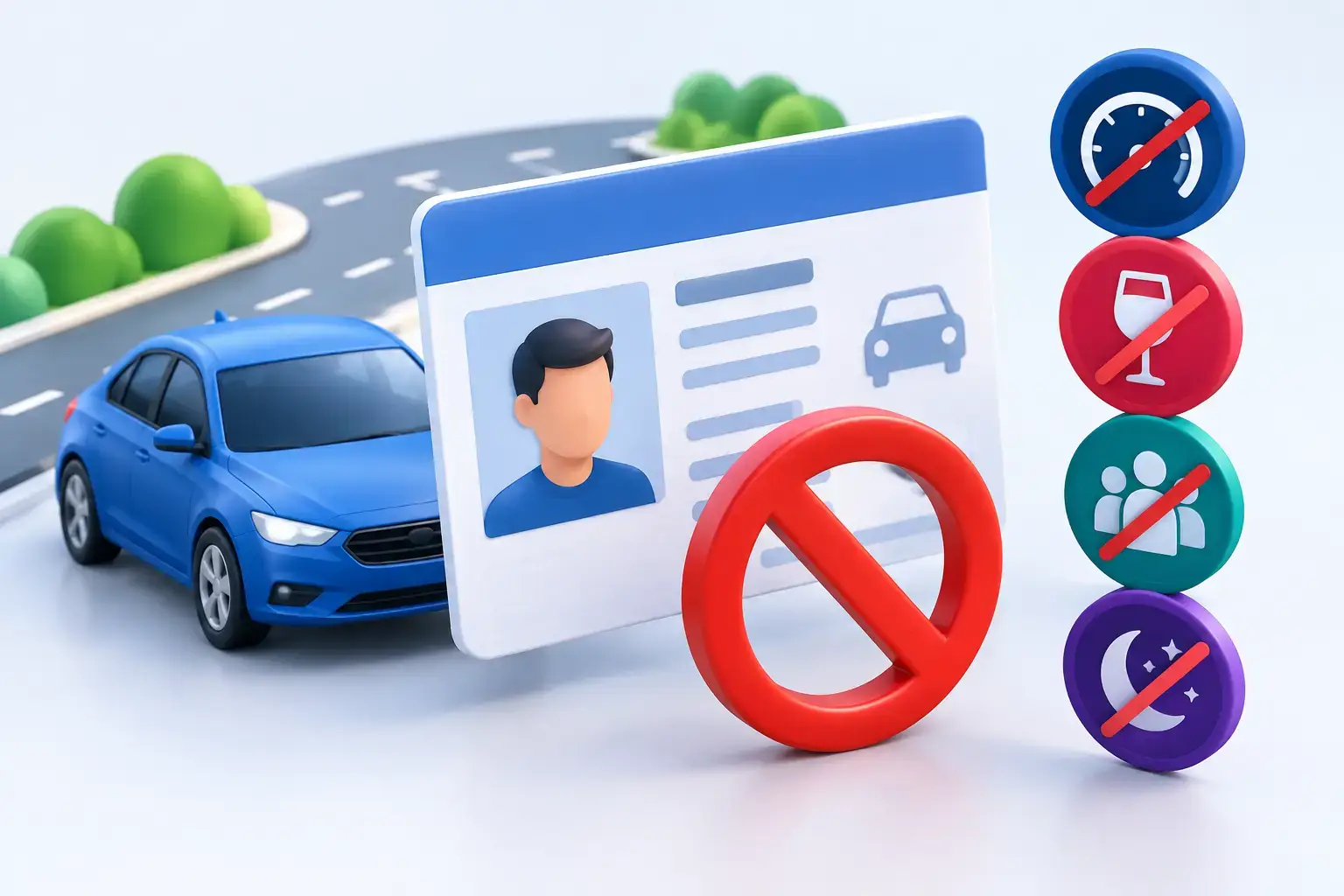
An automatic-only licence lets you drive automatic vehicles, but not manual cars. That restriction is the main trade-off. If you expect to share a family manual car, need maximum choice in the used-car market or may need a manual vehicle for work, learning manual could make sense.
On the other hand, automatic cars are increasingly common, including electric vehicles and many hybrids. If your household car is automatic, you want to reduce the pressure of learning, or you need to pass within a defined timeframe, automatic tuition may be the more suitable route.
There is no prize for choosing the harder option if it is slowing you down or damaging your confidence. Equally, do not choose automatic solely because it sounds quicker without considering what you will need to drive after passing. A good instructor will talk through both options without pushing you towards the more expensive lesson.
How to compare automatic lesson prices properly
When comparing prices, make sure you are comparing like for like. A lower rate is not always lower cost if lessons are shorter than advertised, the instructor changes often, pickup is limited or essential test preparation is treated as an extra.
Ask whether the price includes one-to-one tuition in a dual-control automatic, doorstep pickup where available, lesson planning and feedback. Check whether block-booking prices are transparent, how cancellations work and whether there are travel surcharges for your postcode. If you are close to test standard, ask how mock tests and local test-route preparation are handled.
It is also sensible to think about lesson frequency. Weekly lessons suit many learners, while two or more lessons a week may help if you need to build momentum. Long gaps can mean spending part of the next session refreshing skills, regardless of whether you learn in a manual or automatic.
At Oxford Driving Academy, the aim is to match the lesson plan to the learner, from first controls through to independent driving on Oxfordshire roads. That includes working steadily with nervous learners, not treating confidence as separate from safe driving.
Getting value from every automatic lesson
You can help keep your learning efficient. Arrive ready to focus, tell your instructor when something feels confusing and review the previous lesson before you start the next one. If you have access to an automatic car for private practice, make sure it is legal, insured and supervised correctly, then use that time to reinforce the skills your instructor has introduced.
Avoid judging progress only by manoeuvres or the number of faults in a mock test. Real progress includes spotting hazards earlier, making calmer decisions at roundabouts and recovering safely when another driver behaves unpredictably. These are the skills that protect you long after your practical test certificate arrives.
Automatic lessons may cost more per hour, but the best value is measured in capable, independent driving. Choose the licence type and instructor that let you learn with clarity, practise consistently and feel genuinely ready for the road ahead.