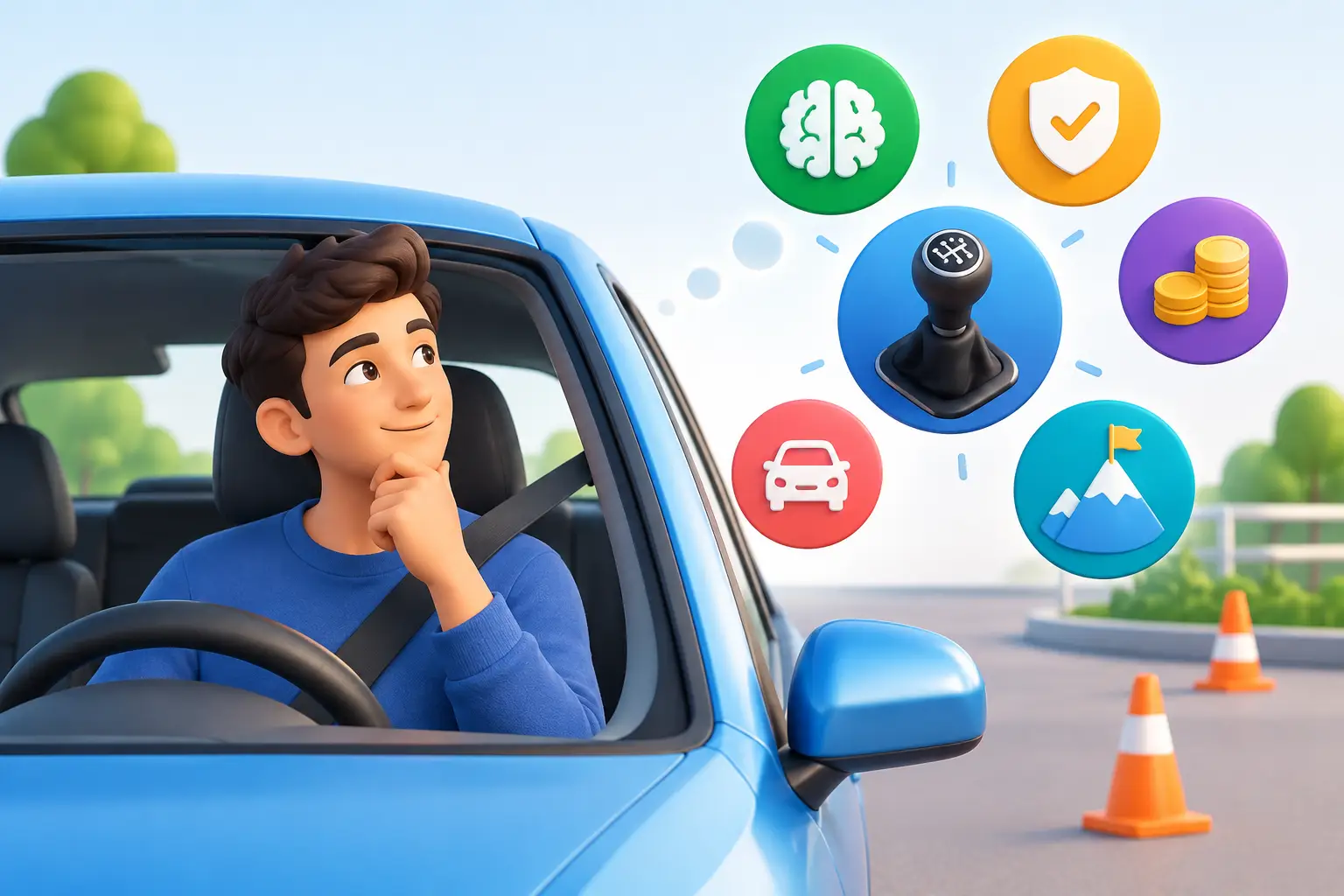
Being offered a lift home in a friend’s car, finding an affordable first car, or needing to use a work vehicle can all become simpler with a manual licence. The main manual licence benefits are not about proving you can manage a gearstick. They are about keeping your options open when the car available to you is not an automatic.
For many learners in Oxfordshire, automatic lessons are the right route. They remove clutch control from the learning process and can help a nervous driver focus sooner on traffic, road position and decision-making. But if you are deciding which licence to work towards, it is worth looking beyond the driving test itself.
What a manual driving licence allows you to drive
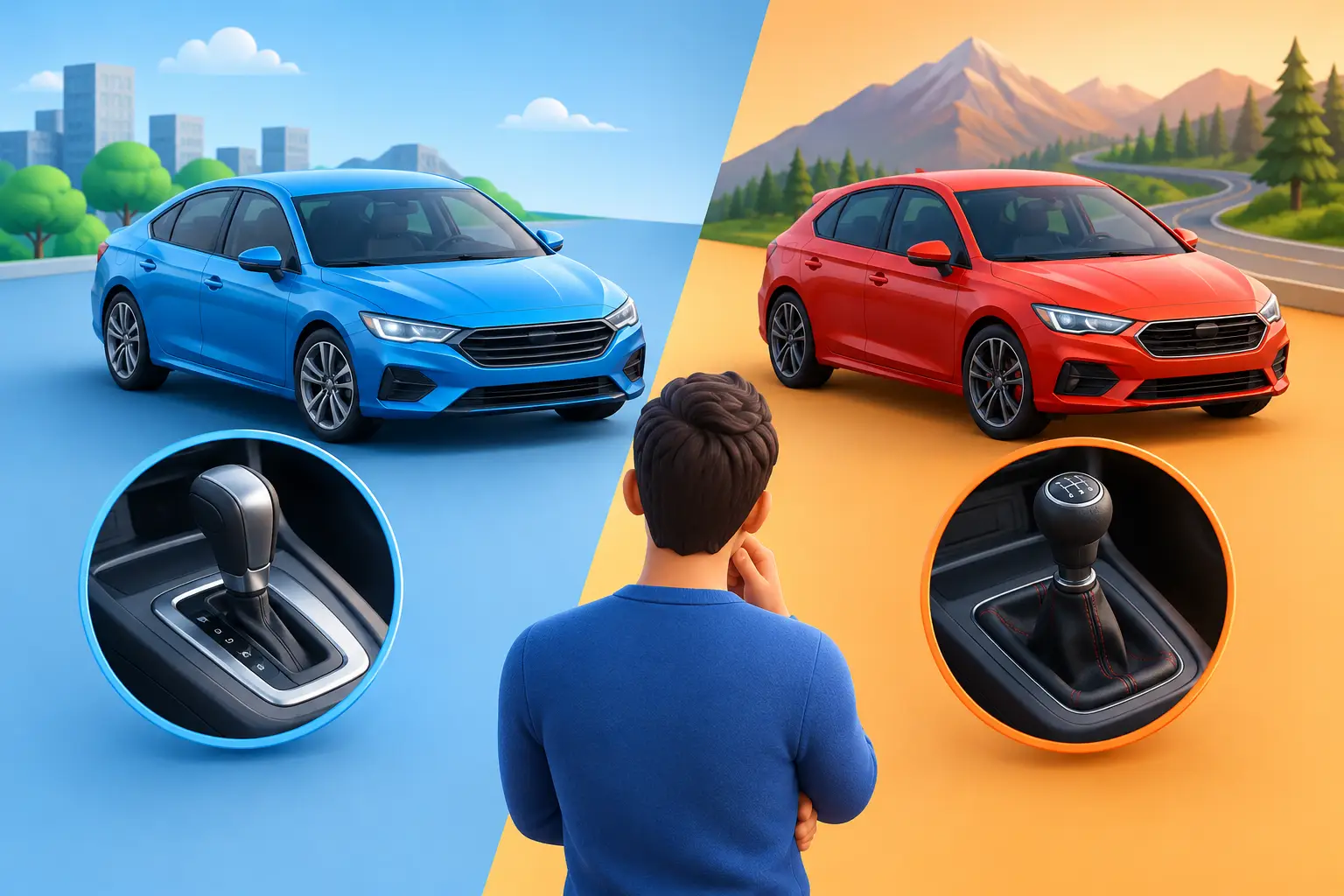
In the UK, passing your practical test in a manual car gives you a full licence for both manual and automatic vehicles. Passing in an automatic car gives you a full licence too, but it carries an automatic-only restriction. You can drive automatic vehicles, including most electric cars, but not a manual vehicle unless you later pass a practical test in one.
That distinction matters most when circumstances change. Your first car may be an automatic, yet the cheaper insurance quote, family car or useful work vehicle may be manual. A manual licence means you can consider it without returning for further training and another test.
This is why the choice is often less about which lesson type is easier and more about what will make life easier after you have passed.
The practical manual licence benefits
More choice when buying your first car
The used-car market still includes many manual cars, particularly among smaller, older and lower-priced models. If your budget is tight, restricting your search to automatic cars can reduce the number of suitable options available locally. It can also make it harder to balance price, mileage, condition and insurance group.
A manual licence does not guarantee that a manual car will be cheaper. Prices depend on the model, demand, fuel type and condition. However, it gives you the freedom to compare both types rather than dismissing a well-maintained car because of its gearbox.
For a learner planning to buy their first vehicle soon after passing, that flexibility can be genuinely useful. You may find a car close to home, with sensible running costs and a good service history, rather than waiting for an automatic that fits the same budget.
Greater flexibility with family, friends and work
A manual licence can make borrowing a car simpler. A parent’s car, a partner’s car or a friend’s spare vehicle may well be manual, especially if it was bought several years ago. The same can apply to vans and pool cars used by smaller employers.
This does not mean you should drive any vehicle simply because your licence permits it. You still need suitable insurance, confidence in the vehicle and a safe reason to drive it. But you will not be limited by the transmission alone.
For students returning home during university holidays, working adults sharing a household car, or people whose jobs may involve occasional driving, this can provide useful reassurance. Your licence has fewer restrictions if your plans change.
Stronger understanding of how a car responds
Learning in a manual car teaches coordination between the clutch, gears and accelerator. At first, that can feel like a lot to manage. Stalling at a junction or rolling back slightly on a hill start is a common learner experience, not a sign that you cannot drive.
With patient practice, learners begin to recognise the bite point, select an appropriate gear and control the car at low speed. These skills encourage you to listen to the engine, judge the road ahead and prepare early rather than react late.
Manual driving is not automatically safer than automatic driving. Safe driving comes from observation, planning, speed control and good decisions. Yet many drivers value the added mechanical awareness they build while learning manual. It can give you a clearer sense of why a car behaves differently when climbing, slowing or moving off on a steep road.
Confidence on varied Oxfordshire roads
Oxford driving involves more than a straightforward run along a quiet estate road. Learners may need to handle busy roundabouts, narrow parked-car routes, changing speed limits, hill starts and complex lane choices. Outside the city, rural roads bring bends, changing surfaces and limited visibility.
A manual car gives you direct control over gear selection when approaching a roundabout, travelling downhill or building speed safely on an uphill stretch. The key is not changing gears constantly. It is choosing the right gear in good time, then keeping your attention on the road.
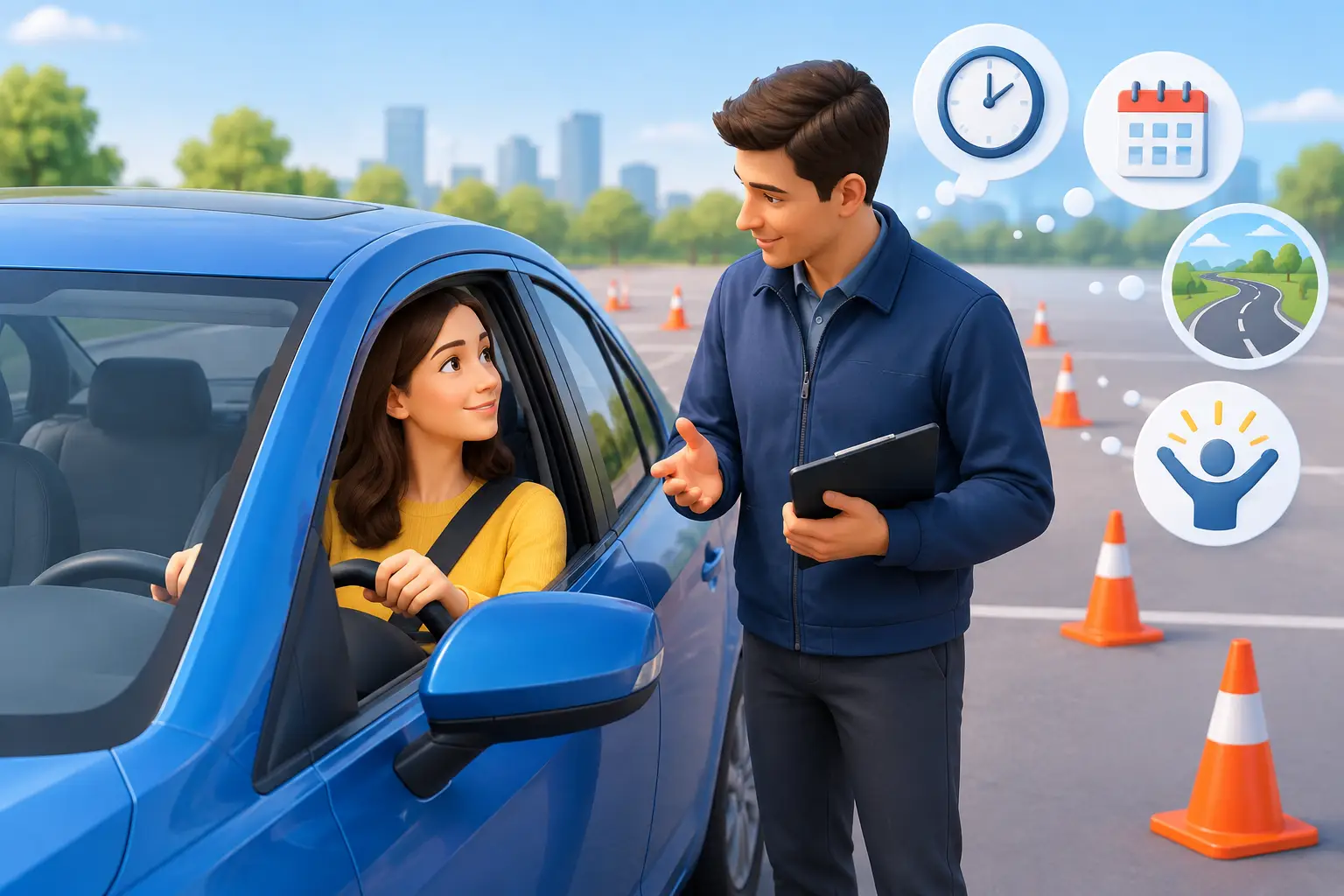
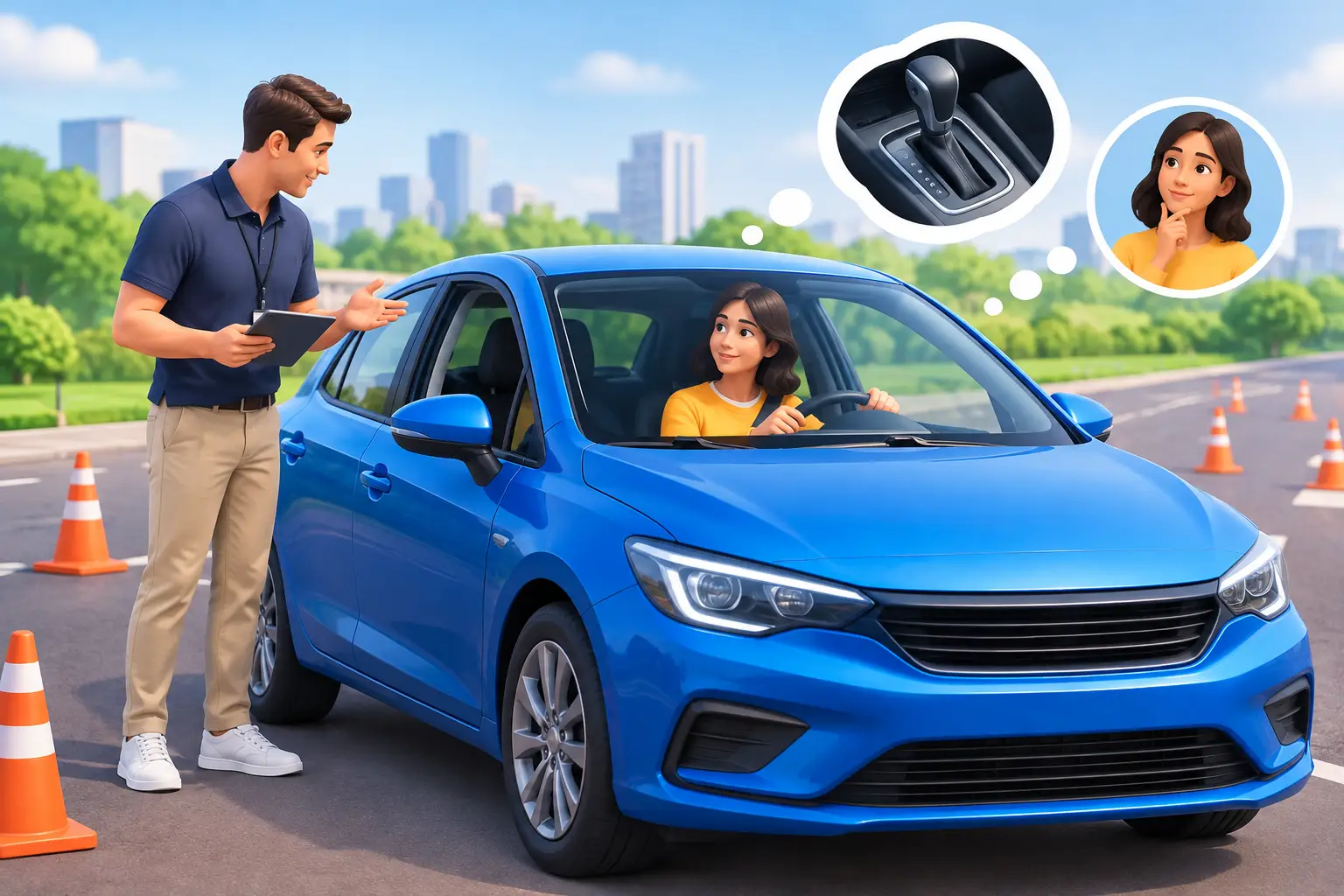
During manual lessons, a DVSA-approved instructor can break these skills into manageable stages: moving off, stopping, finding the bite, changing up, changing down and then applying them in real traffic. Dual controls allow you to practise with reassurance while you build independence.
Useful preparation for overseas travel and car hire
Automatic hire cars are increasingly common, but they are not always the cheapest or most readily available option, particularly in some destinations. If you travel abroad in future, a manual licence may widen the vehicles you can hire.
Rules, age requirements, insurance excesses and local driving conditions still need careful checking before any trip. A manual licence is not a reason to drive somewhere unfamiliar before you feel ready. It simply removes one possible restriction when choosing a vehicle.
The trade-offs: manual is not automatically the best route
Manual lessons require more early practice because you are learning vehicle control alongside the rules of the road. Some learners progress quickly; others need additional time to make clutch control feel natural. If you are under pressure to pass for a new job, an intensive course or an urgent family need, automatic tuition may be the more realistic route to a safe full licence.
Automatic cars are also a sensible long-term choice for many people. They are easier in stop-start traffic, are common among newer cars, and electric vehicles have no conventional manual gearbox. If you know that you will only drive an automatic and feel that clutch control is slowing your progress or increasing your anxiety, an automatic licence is still a valuable achievement.
The best option depends on your timeline, budget, confidence and likely driving needs. There is no prize for choosing the harder route if it prevents you from becoming a calm, capable driver. Equally, choosing manual can be worthwhile if a few more lessons now could save you from a restricted licence later.
How to decide before booking lessons
Start with the cars you are most likely to use in the next two or three years. If your household has a manual car, you expect to buy an affordable used vehicle, or your future work may involve driving different vehicles, manual training is often a sensible investment.
Then consider how you learn. If you enjoy building a skill step by step and can practise regularly, manual driving is very achievable. Learners do not need perfect coordination on their first lesson. They need clear instruction, time to repeat the basics and an instructor who keeps errors calm and constructive.
If nerves are your biggest barrier, do not assume that manual is beyond you. A structured lesson plan can begin away from busy traffic, allowing you to practise clutch control without feeling rushed. As confidence improves, you can add junctions, roundabouts, hill starts and test-route driving at the right pace.
Oxford Driving Academy provides one-to-one manual tuition with dual-control vehicles, helping learners develop the practical control and independent judgement required for everyday driving as well as the test.
Passing the test is only the starting point
The most valuable licence is the one that supports safe, independent driving after the examiner has said you have passed. A manual licence can offer broader vehicle choice and useful future flexibility, but it should be earned through steady practice rather than rushed gear changes.
Choose the route that fits your real life, commit to learning it properly, and give yourself permission to improve one skill at a time. Confidence behind the wheel is built on repetition, good habits and the knowledge that you can deal with the road ahead.